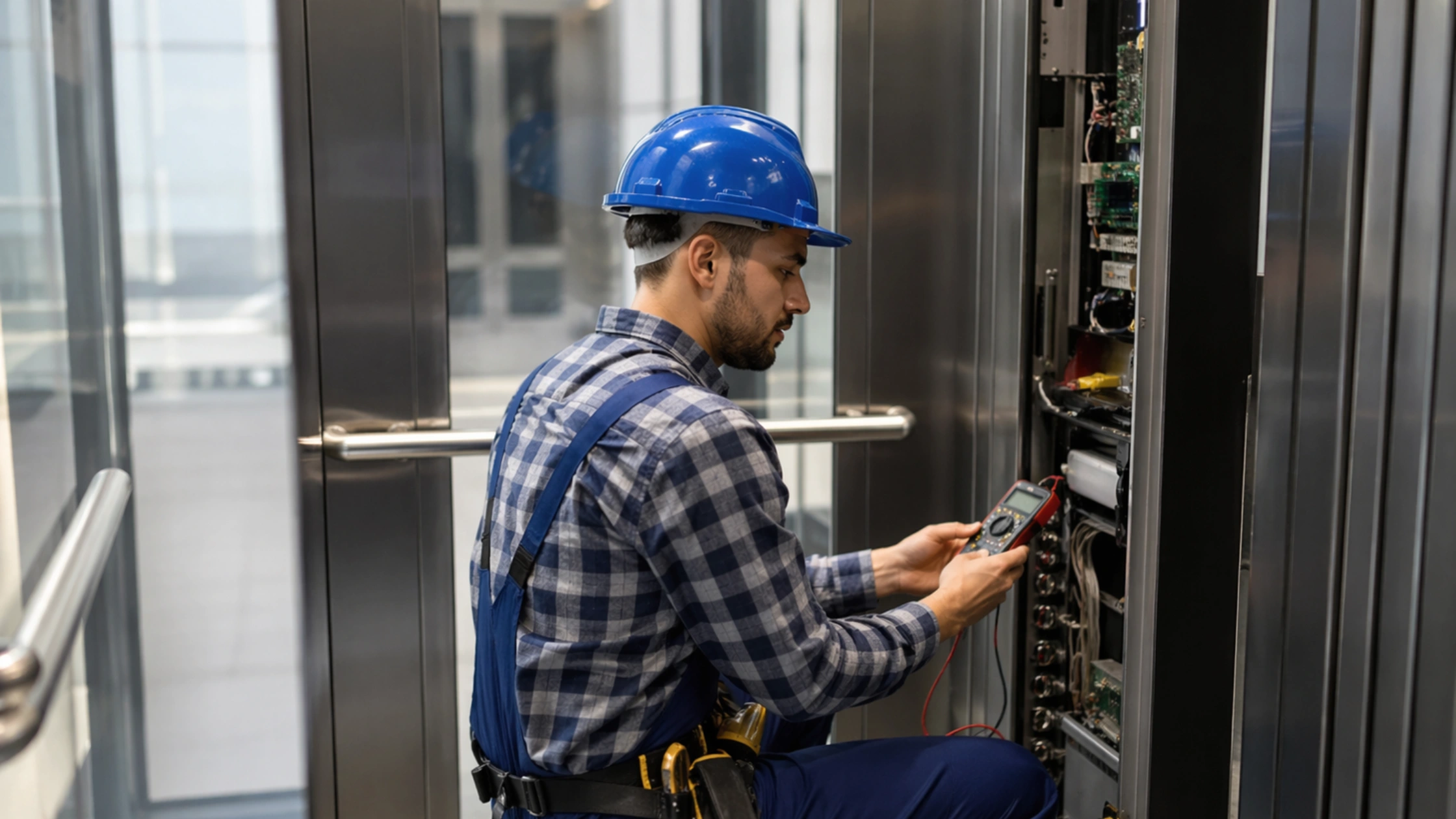
Elevators are essential to the daily operation of modern commercial buildings. In offices, hotels, hospitals, shopping centres and residential-commercial complexes, thousands of people may depend on elevators every day. Because elevators involve complex mechanical, electrical and safety systems, regular maintenance is essential for reliable operation and passenger safety.
A well-planned elevator maintenance programme can help identify problems before they become major failures, reduce unexpected downtime and extend the useful life of equipment. It can also help building owners meet applicable safety and regulatory requirements.
Why Elevator Maintenance Is Important
Elevator maintenance is about much more than keeping the lift operational. A malfunctioning elevator can disrupt an entire building and create significant safety concerns.
Regular inspections and servicing can help identify worn components, unusual noises, electrical faults, door problems and other issues before they develop into larger failures.
Preventive maintenance can also reduce emergency repair costs. Replacing a small worn component at the appropriate time may be considerably easier than dealing with a major equipment failure.
How Elevator Systems Work
Understanding the basic components of an elevator helps explain why maintenance needs to be comprehensive.
A typical elevator system can include:
- Electric motor or traction machine
- Hoist ropes or belts
- Sheaves
- Counterweights
- Guide rails
- Elevator car
- Landing and car doors
- Control system
- Braking equipment
- Safety devices
- Electrical wiring
- Emergency communication systems
Hydraulic elevators use a different mechanism, relying on hydraulic cylinders and pumps to move the car.
Each component plays a role in safe and reliable operation, which is why maintenance should cover the entire system rather than focusing only on visible problems.
Preventive Maintenance vs. Reactive Repairs
There are two broad approaches to equipment maintenance.
Reactive maintenance occurs after a component fails. While emergency repairs are sometimes unavoidable, relying entirely on this approach can result in frequent downtime and higher costs.
Preventive maintenance, on the other hand, involves scheduled inspections, testing, cleaning, lubrication, adjustment and replacement of components according to manufacturer recommendations and applicable requirements.
For commercial buildings, preventive maintenance is generally the more effective long-term strategy because it helps identify potential issues before they interrupt normal operations.
How Often Should Elevators Be Maintained?
There is no single maintenance schedule that applies to every elevator.
The appropriate frequency depends on factors such as:
- Elevator type
- Age of the equipment
- Manufacturer recommendations
- Building occupancy
- Number of daily trips
- Operating environment
- Local regulations
- Previous maintenance history
A busy commercial building may require more frequent attention than a lightly used installation.
Building owners should follow the equipment manufacturer’s recommendations and applicable local safety requirements when establishing a maintenance programme.
Key Areas to Inspect
Elevator Doors
Door systems are among the most frequently used parts of an elevator. Technicians should check door movement, sensors, rollers, tracks, locks and reopening mechanisms.
Door problems can cause significant operational disruptions and may create safety risks if not addressed promptly.
Cables and Ropes
For traction elevators, hoist ropes and related components require regular inspection for wear, damage or other signs of deterioration.
Any component that shows unacceptable wear should be evaluated by qualified professionals and replaced when necessary.
Braking System
The braking system is a critical safety component. Maintenance professionals should inspect and test braking equipment according to applicable requirements.
Because braking performance is safety-critical, problems should never be ignored or postponed.
Electrical and Control Systems
Modern elevators rely heavily on electronic controls. Technicians may inspect control panels, wiring, sensors, circuit components and software-related systems.
Electrical faults can sometimes produce intermittent problems, making detailed troubleshooting particularly important.
Safety Devices
Elevators include multiple safety systems designed to protect passengers in abnormal situations.
Depending on the elevator design, these may include emergency brakes, door interlocks, overspeed protection and other safety mechanisms.
Safety devices should be tested by qualified technicians according to the applicable standards and maintenance procedures.
Cleaning and Lubrication
Routine cleaning can help prevent dust and debris from affecting mechanical components. Certain moving parts may also require lubrication.
However, lubrication should only be performed where specified by the manufacturer. Applying the wrong lubricant or using excessive amounts can potentially cause problems rather than solve them.
Maintenance technicians should follow the equipment’s technical documentation.
Keep a Detailed Maintenance Record
Every commercial building should maintain accurate elevator service records.
A maintenance log can include:
- Inspection dates
- Work performed
- Parts replaced
- Reported faults
- Technician details
- Safety tests
- Emergency repairs
- Recommendations for future work
These records can help identify recurring problems and make it easier to plan component replacement or modernization.
They may also be important for demonstrating compliance with applicable requirements.
Signs an Elevator Needs Attention
Building staff should report unusual elevator behaviour promptly.
Warning signs may include:
- Unusual noises or vibrations
- Doors opening or closing incorrectly
- Jerky starts or stops
- Delayed responses
- Misalignment between the car and floor
- Repeated shutdowns
- Unusual smells
- Fault messages or alarms
A small change in performance can sometimes indicate an underlying mechanical or electrical issue.
Choosing a Qualified Elevator Maintenance Provider
Elevator maintenance should be handled by appropriately qualified professionals familiar with the specific equipment.
When selecting a maintenance provider, building owners should consider experience, technical qualifications, emergency response capability, familiarity with the elevator manufacturer and knowledge of applicable local regulations.
The cheapest maintenance contract is not necessarily the best option. Reliability, technician expertise, response times and the quality of preventive maintenance are important factors.
Emergency Maintenance Planning
Even with preventive maintenance, unexpected failures can occur.
Commercial buildings should have a clear emergency response procedure. Building staff should know how to report faults, communicate with occupants and contact the maintenance provider.
Elevator users should never attempt to force doors open or exit a stalled elevator without appropriate assistance. Emergency communication systems should be tested regularly to ensure they function when needed.
When Is Elevator Modernization Necessary?
Maintenance can extend equipment life, but every elevator eventually reaches a point where modernization may be more practical than repeated repairs.
Older elevators may have outdated control systems, inefficient motors, difficult-to-source replacement parts or components that no longer meet current expectations.
Modernization can involve upgrading controls, doors, drives, lighting, communication systems or other components. The appropriate solution depends on the elevator’s condition and the building’s requirements.
Final Thoughts
Elevator maintenance is a critical part of commercial building management. Regular preventive servicing, safety inspections, accurate documentation and timely repairs can help improve reliability, reduce unexpected downtime and support passenger safety.
Building owners should develop maintenance schedules based on the elevator type, usage, manufacturer guidance and applicable regulations. They should also work with qualified elevator professionals rather than attempting complex repairs without appropriate expertise.
A proactive maintenance programme is ultimately an investment in safety, reliability, building efficiency and long-term equipment performance.