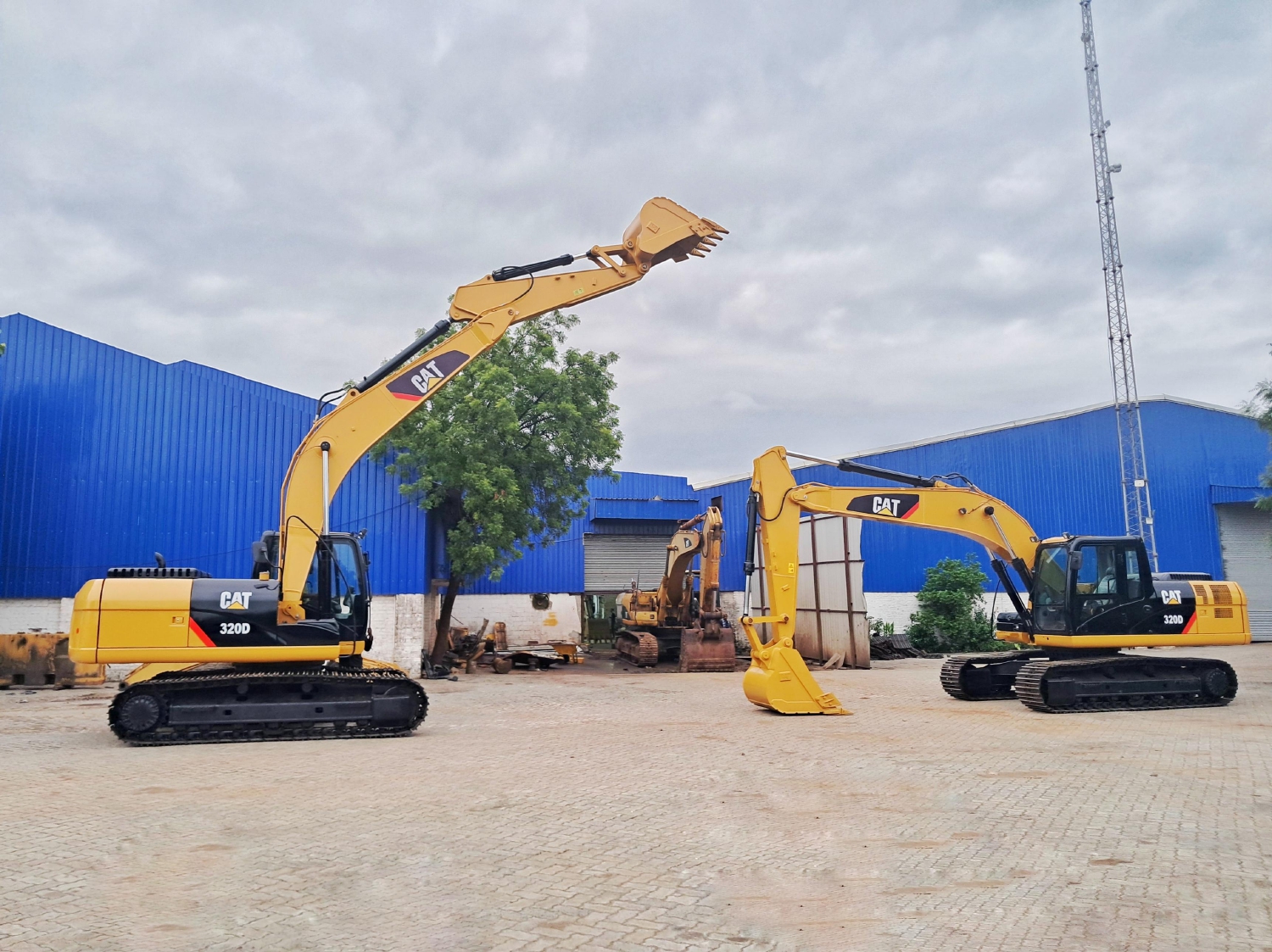
Introduction
Buying second-hand construction equipment can be a cost-effective solution for contractors, builders, and construction companies looking to expand their fleet without exceeding their budget. Used machinery often delivers excellent performance at a fraction of the cost of new equipment. However, purchasing pre-owned heavy equipment requires careful evaluation to avoid costly repairs, downtime, or hidden issues.
Whether you’re buying an excavator, bulldozer, backhoe, loader, crane, or skid steer, understanding what to inspect before making a purchase is essential. This guide highlights the 10 crucial points to consider while buying second-hand construction equipment to help you make a smart and informed investment.
Why Buy Second-Hand Construction Equipment?
Used construction equipment offers several advantages, including:
- Lower upfront investment
- Reduced depreciation
- Faster availability
- Lower insurance costs
- Ideal for small and medium-sized contractors
Despite these benefits, careful inspection is necessary to ensure you’re getting value for your money.
1. Check the Equipment’s Overall Condition
Start with a thorough visual inspection of the machine.
Look for:
- Rust or corrosion
- Structural cracks
- Oil leaks
- Damaged hoses
- Loose bolts
- Signs of poor repairs
A well-maintained machine typically reflects responsible ownership and regular servicing.
2. Review Maintenance and Service Records
Maintenance history provides valuable insight into how well the equipment has been cared for.
Ask for:
- Service logs
- Oil change records
- Replacement parts history
- Scheduled maintenance reports
Complete maintenance records usually indicate that the machine has been properly maintained throughout its life.
3. Verify Operating Hours
Operating hours are similar to mileage on a vehicle.
Generally:
- Lower hours indicate less wear.
- Extremely low hours on an older machine should be verified carefully.
- Compare operating hours with the equipment’s age and maintenance history.
High-quality machines can still perform reliably with higher hours if serviced regularly.
4. Inspect the Engine and Hydraulic System
The engine and hydraulics are the heart of construction equipment.
Check for:
- Smooth engine startup
- Excessive smoke
- Unusual noises
- Hydraulic leaks
- Slow cylinder movement
- Weak lifting performance
Repairs to these systems can be expensive, making inspection especially important.
5. Examine Tires, Tracks, and Undercarriage
Replacing tires or tracks can significantly increase ownership costs.
Inspect:
- Tire tread depth
- Uneven wear
- Cracked rubber
- Track condition
- Rollers
- Sprockets
- Idlers
A worn undercarriage may indicate heavy usage and future repair expenses.
6. Test All Controls and Safety Features
Always operate the equipment before purchasing whenever possible.
Test:
- Steering
- Brakes
- Bucket controls
- Boom functions
- Safety switches
- Warning lights
- Emergency stop systems
Ensure every function operates smoothly without delays or unusual vibrations.
7. Confirm Ownership and Documentation
Verify that the seller legally owns the equipment.
Check documents such as:
- Purchase invoice
- Ownership certificate
- Serial number
- Registration (if applicable)
- Service records
Matching serial numbers help prevent buying stolen or illegally modified equipment.
8. Research the Brand and Model
Some equipment brands are known for long-term durability and easier access to spare parts.
Before buying:
- Read customer reviews
- Research common issues
- Check parts availability
- Compare maintenance costs
- Evaluate resale value
Popular manufacturers generally offer better service support and parts availability.
9. Estimate Repair and Operating Costs
A low purchase price doesn’t always mean lower ownership costs.
Consider expenses including:
- Immediate repairs
- Replacement parts
- Fuel efficiency
- Routine servicing
- Transportation
- Insurance
Calculate the total cost of ownership before making your decision.
10. Buy from a Trusted Dealer or Reputable Seller
Choosing a reliable seller reduces purchasing risks.
Look for sellers who offer:
- Inspection reports
- Equipment history
- Transparent pricing
- Warranty options
- Return policies
- Customer support
Established dealers often inspect and service equipment before resale, providing greater peace of mind.
Additional Buying Tips
To maximize your investment:
- Compare multiple machines before deciding.
- Hire an independent equipment inspector if needed.
- Test the equipment under actual working conditions.
- Negotiate based on inspection findings.
- Avoid purchasing without a physical inspection whenever possible.
Common Mistakes to Avoid
Many buyers make costly mistakes by:
- Buying solely based on price
- Ignoring maintenance records
- Skipping operational testing
- Overlooking hydraulic issues
- Failing to verify ownership documents
- Underestimating future repair costs
Avoiding these errors can save thousands of dollars in unexpected expenses.
Conclusion
Purchasing second-hand construction equipment can be a smart financial decision when done carefully. A detailed inspection, proper documentation, and a clear understanding of maintenance history are essential for minimizing risks. By evaluating the machine’s condition, testing its performance, verifying ownership, and estimating long-term operating costs, you can confidently invest in reliable equipment that supports your construction projects for years to come.
Taking the time to research and inspect before buying not only protects your investment but also helps ensure greater productivity, reduced downtime, and better overall value.
Frequently Asked Questions (FAQs)
Is buying used construction equipment worth it?
Yes. If the equipment has been properly maintained and thoroughly inspected, buying used machinery can provide excellent value while significantly reducing upfront costs.
What should I inspect first on a used construction machine?
Start with the overall condition, engine, hydraulic system, operating hours, maintenance records, and structural components.
How important are service records?
Service records are extremely important because they reveal how well the equipment has been maintained and can help predict future reliability.
Can I negotiate the price of used construction equipment?
Yes. Inspection results, maintenance history, cosmetic condition, and required repairs often provide strong reasons to negotiate a better price.
Should I buy from a private seller or a dealer?
Reputable dealers generally offer more transparency, inspection reports, and limited warranties, while private sellers may offer lower prices but often involve greater risk.